Oil Tank Services
in Somerset
For rural homes, working farms and business premises. A practical approach to your tank, its base and the fuel still inside.
Tell Us About Your Tank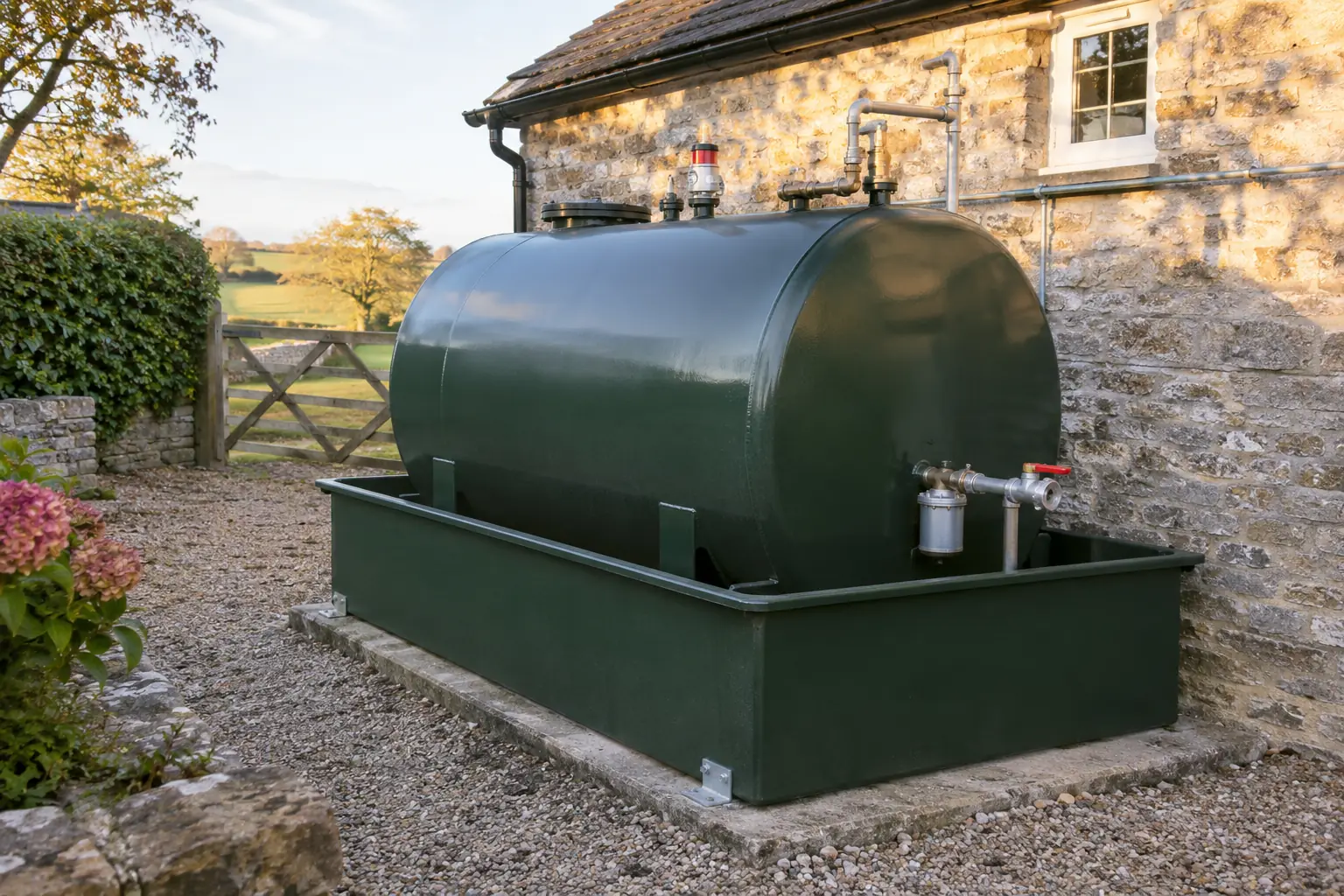
What Does Your Tank Need Next?
A tired tank, an uneven base or a garden project can raise the same question: where do you begin? Start with the installation as a whole. The container, its supports, the route for removal and the condition of the oil all affect the right next step.
Somerset Oil Tank Services helps you set out the work you need and send an enquiry to a suitable service provider. Whether you are keeping oil heating or removing the system, our guides explain the decisions to make before agreeing a quotation. Describe a suspected leak straight away, rather than treating it as a routine replacement.
Six Ways To Help With Your Tank
Choose the issue closest to yours. You do not need to know the final specification to enquire.
Oil Tank Removal
Redundant tank, new heating or building work? Include the oil, old pipework and the finish you want.
Read Guide02Oil Tank Replacement
Check the new tank, old base and recoverable fuel together before arranging the changeover.
Read Guide03Oil Tank Installation
Choose capacity, containment and a position that works for deliveries and future inspection.
Read Guide04Oil Tank Cleaning
Investigate water and sludge, with suitable fuel held separately while the tank is cleaned.
Read Guide05Underground Oil Tanks
Compare excavation and permanent decommissioning, with clear records of what stays below ground.
Read Guide06Leaking Oil Tanks
Take suspected fuel loss seriously. Start with safe assessment and protection of nearby water.
Read Guide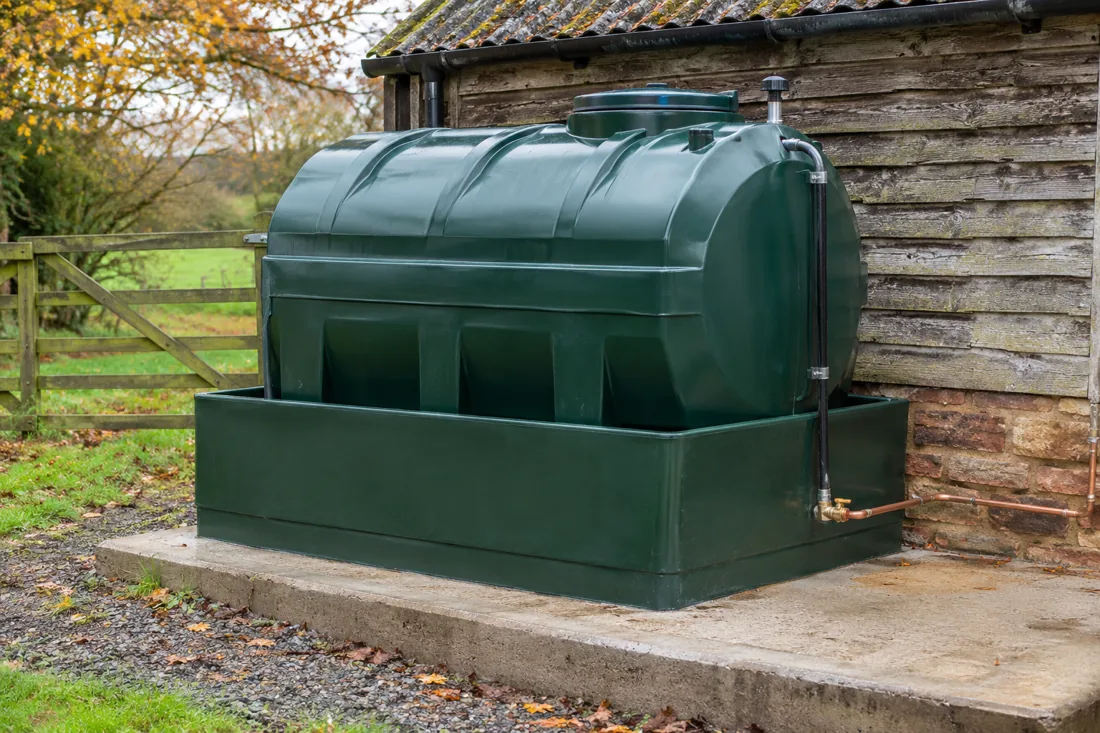
A Sound Tank Starts With The Ground Beneath It.
A replacement tank needs support that suits its loaded weight and manufacturer’s requirements. Old slabs, sinking ground and narrow supports deserve attention before a new tank is ordered. A different tank shape or an outer bund can change the footprint, even when capacity stays much the same.
Send a photograph showing the full base, its edges and the ground around it. If the new tank will move, include the proposed position and any nearby drains, buildings or boundaries. The assessment can then consider base work, delivery access and pipework together, rather than leaving them as surprises on the day.
Explore Tank ReplacementWhat About The Oil You’ve Already Bought?
A part-full tank does not automatically mean wasted heating oil. Usable fuel can often be recovered into suitable holding storage, kept separate from water and sludge and transferred into an appropriate receiving tank. Its condition matters more than an assumption based on age alone.
Let the contractor know your approximate gauge reading and any history of filter blockages or boiler faults. Do not arrange another delivery during a tank changeover without agreement. If you are switching away from oil, make the remaining fuel part of the removal enquiry so its handling is included from the beginning.
Read About Fuel And Tank CleaningFrom First Details To An Agreed Scope
Show The Arrangement
Send your postcode, the tank type if known, what prompted the enquiry and the fuel level. Photos of the base and route help explain more than a tank close-up alone.
Check What Is Needed
The service provider can assess the information and say whether a site visit is needed. Ask about fuel recovery, downtime, waste handling and any separate groundwork.
Agree Before Work Starts
Confirm the tank specification or removal method, access, price and expected records. A submitted enquiry is the start of that conversation, rather than a confirmed booking.
From The Levels To Somerset’s Hill Country
We welcome enquiries from Taunton, Bridgwater, Yeovil, Wells, Bath, Frome and the surrounding county, including Minehead, Chard, Street, Glastonbury, Wincanton and Shepton Mallet. Give the full postcode so access and the availability of a suitable provider can be checked for your property.
On low-lying ground, mention flood history and drainage. For a hillside garden or older courtyard, explain changes of level, narrow entrances and any restrictions on building alterations. Commercial premises should also include the equipment supplied and the shutdown window. These details shape the job more usefully than a town name alone.
See Our Somerset Coverage GuideBefore You Enquire
Can I Keep The Fuel Already In My Tank?
Remaining heating oil can often be kept if its condition is suitable and safe receiving storage is available. Tell us how much is left and mention water, sludge or recurring filter problems. The contractor assesses recoverability before transfer and agrees how contaminated residues and any unusable oil will be handled.
Can You Help With A Tank In A Tight Garden?
A tank in a tight garden needs the whole access route considered, including gates, steps, walls and the distance from a vehicle. Send photographs from the tank to the road and describe the narrowest point. The method depends on safe fuel removal, tank condition and whether the old tank can leave whole.
If oil is actively escaping, read the leaking oil tank guidance and use official pollution reporting where appropriate. Do not wait for a routine enquiry response.
Let’s Start With Your Tank.
A few useful details will help a suitable service provider understand your request. You can explain any unknowns in the message.
No photographs to hand? Describe the tank, its position and the route from the road. Photos can be requested during follow-up.