Useful Guidance Before You Commit
Somerset Oil Tank Services brings together practical information about removing, replacing, installing and cleaning oil tanks. It is for people responsible for a rural home, a commercial building or a working site who need to understand the job before agreeing it. You can begin with a concern or a photograph rather than a fully specified project.
How Your Enquiry Is Handled
When you send the form, you are asked to agree that your details can be shared with a suitable service provider to respond. The provider can clarify the job, request photographs, arrange a survey where needed and explain the proposed work. Availability, price, qualifications and appointment details are confirmed with that provider before you book.
The Whole Installation Deserves Attention
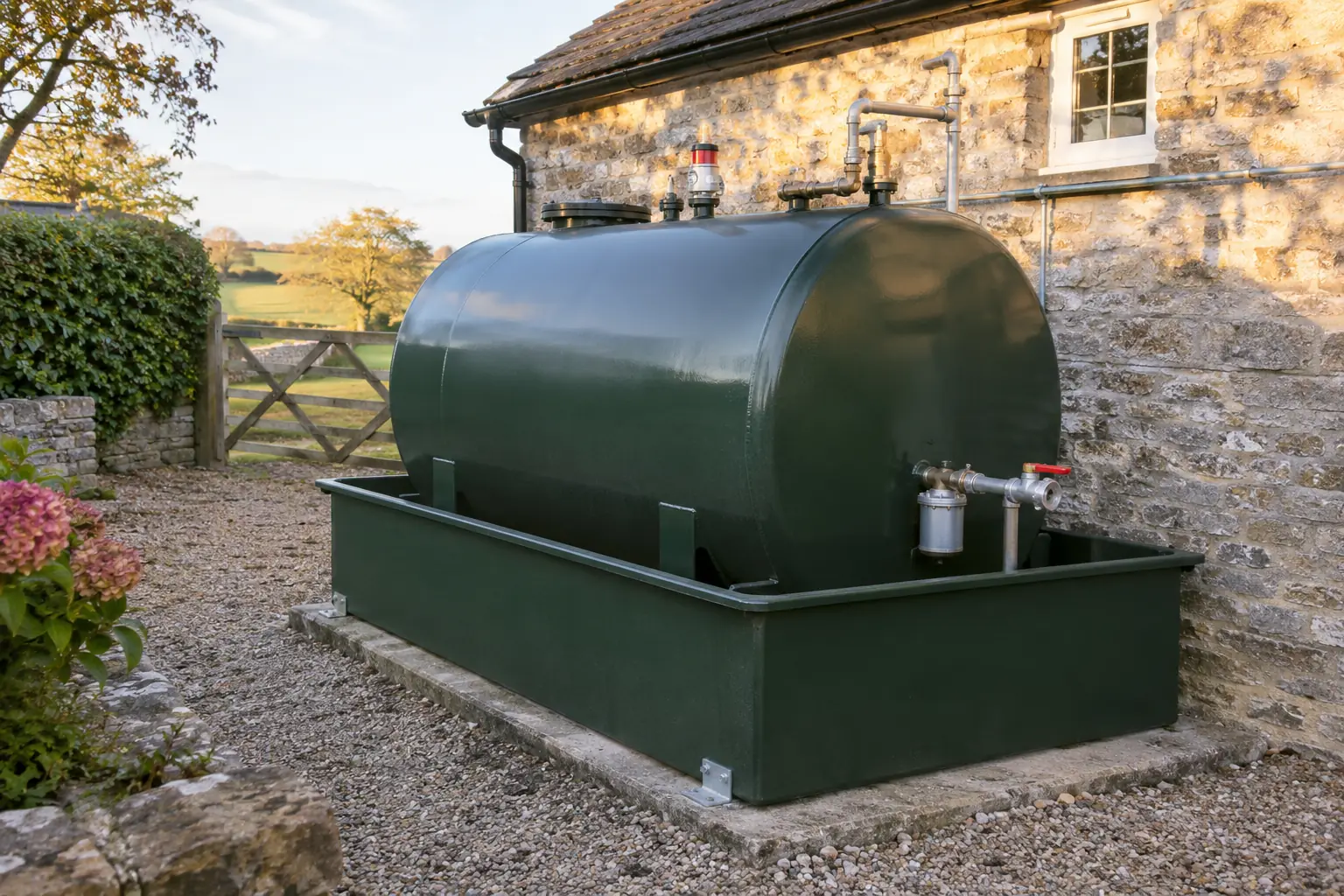
A tank is connected to a base, a delivery route and equipment that depends on its fuel. Our service guides consider those relationships, including remaining oil and the records to retain afterwards. They distinguish tank work from separate contamination investigation, excavation and reinstatement so you can ask for a quotation that describes what you actually need.
What To Check With The Contractor
Ask who will undertake the work, what registration or competence is relevant and how Building Regulations compliance will be handled for a new domestic installation. For business premises, ask about the risk assessment, isolation arrangements and any permits. Waste handling and completion records should match the particular work rather than relying on a general assurance about certificates.
A Clear Starting Point
Tell us what prompted the enquiry, where the tank stands and roughly how much fuel remains. Explain whether you intend to keep oil heating, move the tank or remove the installation permanently. If you are uncertain about tank type or size, say so. A safe ground-level photograph is useful, but do not open, move or dismantle anything to prepare the enquiry.